Engineering Services / EO Engineering Services
Engineering Consultation Toward Electro Oxidation
Not every stream arrives with a clear answer already in hand. This is the starting point when you have a wastewater problem and aren’t yet sure whether electrochemical oxidation is the right tool, or which of our services applies first.
Reviewed for technical accuracy by Janeczka Kowalski, Process / Electrochemical Engineering. Figures and ranges on this page are engineering starting points — verify against your own pilot or vendor data before finalizing a design. The content is created by the Evoaeo engineering team led by Janeczka, All rights reserved.
What a consultation covers
A working session, not a sales call
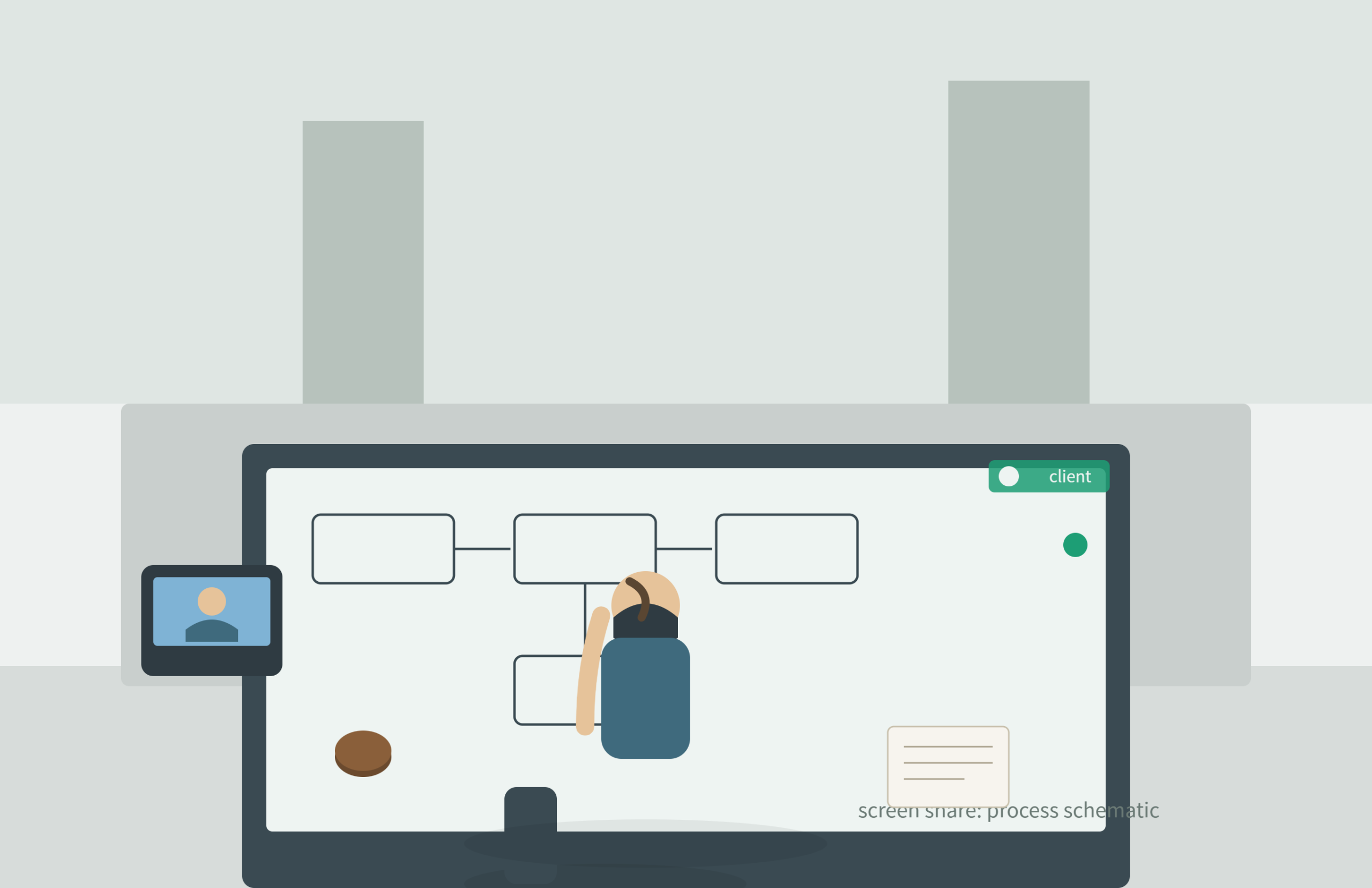
Send us what you have — a discharge permit, a lab report, a description of the process generating the stream, or just a sense that current treatment isn’t meeting a limit anymore. A first consultation typically runs 45–60 minutes and covers three things: whether the contaminant profile is one EO addresses well, what specific data gap would need to close before a bench test makes sense, and a rough sense of where the project sits on cost and timeline before you commit to anything.
For facilities evaluating multiple technologies in parallel, we’re direct about where EO is the wrong tool — refractory streams that are cheaper to handle with reverse osmosis or biological treatment don’t benefit from being forced into an electrochemical solution, and we’ll say so.
Application note
If your stream spans more than one industry category, or doesn’t obviously match anything on our Industry Applications pages, this is the right entry point rather than guessing at the closest match.
What we ask for beforehand
Getting the most out of 45 minutes
A consultation is more useful with something concrete to react to — a lab report, even an incomplete one, a discharge permit page showing the limits in question, or a rough process description of what’s generating the stream. We follow up with a short written summary after the call: what was discussed, what data gap (if any) stands between you and a bench-test recommendation, and the specific next step, so the conversation produces something you can act on rather than just a memory of what was said.
A recent example
How a consultation actually plays out
One recent case: a specialty coatings manufacturer came in with a discharge permit citing a total organic carbon limit they were periodically exceeding, and no existing wastewater characterization data at all. The consultation identified that the specific coating chemistry involved a chelating agent likely driving both the TOC exceedance and the electrode fouling that would occur if EO were tried without addressing it first — the outcome was a scoped Wastewater Characterization & Treatability Studies engagement targeting that chelating agent specifically, rather than a generic bench trial that might have missed the actual driver.
Confidentiality
Process information stays covered
Chemical process descriptions and effluent composition are often proprietary, particularly for specialty synthesis or formulation businesses. We work under mutual NDA as standard practice before any detailed process discussion, and matrix data can be shared as class descriptions rather than exact compound identities where full disclosure isn’t necessary to scope a bench program.
What happens next
Where a consultation leads
Most consultations end in one of three places: a scoped Wastewater Characterization & Treatability Studies engagement, a referral to the specific Industry Applications or Pollutants page most relevant to the stream, or a straightforward answer that EO isn’t the right fit and why. None of those outcomes carry an obligation — the point of this step is an honest technical read before either side spends money on testing.
Questions About Engineering Consultation?
Have a stream and aren’t sure where to start? Interested in electrochemical oxdation or heard of EO efficiency and refractory pollutant removal rate before, but not so familiar with this specific technology yet? Get an engineering consultation with us now.